
Why Early Math Matters - Even for Students Who Already "Get It"
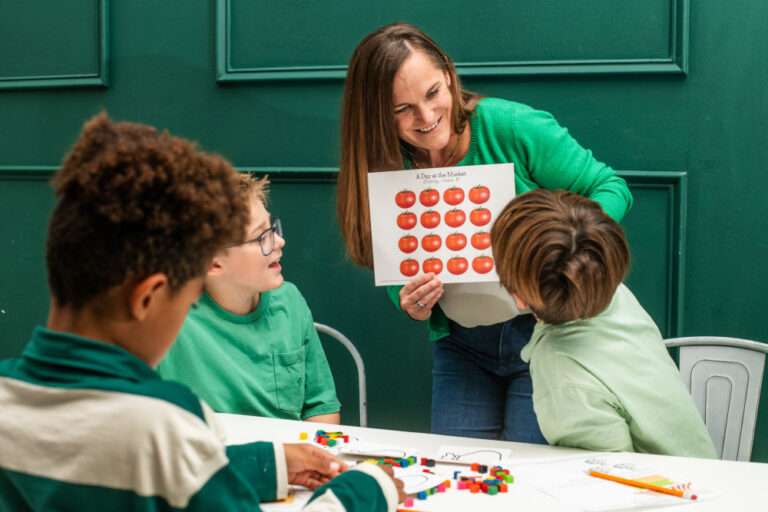
Let’s say the quiet part out loud: early math is a big deal . . . even for students who already seem to “get it.” Kids who fly through counting, add numbers with ease, and crush early skills can look totally set. But the story of math success is less “race to be the fastest” and far more “build the deepest, strongest foundation possible.” And that foundation is poured in the primary grades.
Why This Became Personal for Me
I remember missing recess as a kid because I couldn’t say my math facts fast enough, and years later, watching my own kindergartener cry over math homework. Different generation, same message: speed mattered more than understanding. Those moments stay with children, sometimes for years. That was a turning point for me. Early math shouldn’t break confidence; it should build identity, curiosity, and deep understanding.
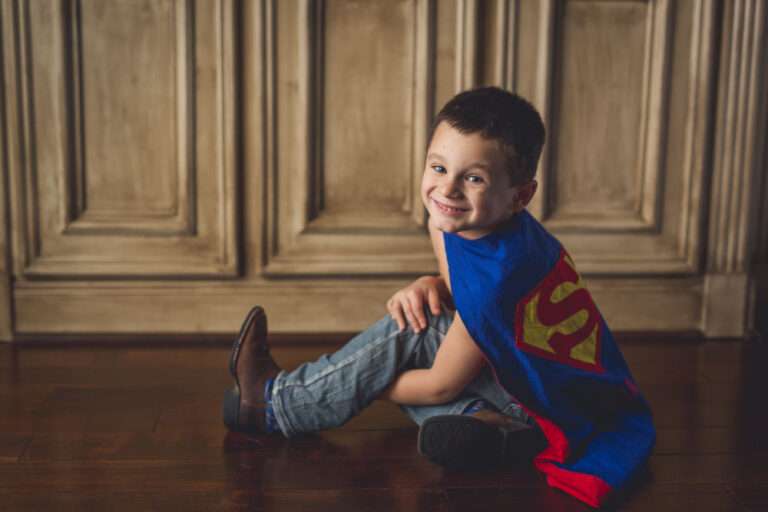
Sweet “Super Sam,” as we used to call him, is the kindergartener behind that memory—the one wrestling with math long before he should have had to.
Early Math Builds More Than Skills — It Builds Identity
In the early years, students aren’t just learning numbers. They’re building number sense (their internal “feel” for how numbers work), shaping their math identity (“I am a math person” forms shockingly early), and developing problem-solving habits that follow them through algebra, geometry, college, and careers. Skills like perseverance, flexibility, reasoning, collaboration, and explaining thinking don’t magically appear in upper grades. They’re grown, practiced, and celebrated in K–2 classrooms where math is hands-on, joyful, meaningful, and connected to real ideas — not just worksheets. Strong early instruction isn’t just nice to have; it’s essential for closing early math achievement gaps before they widen in upper grades.
Early Strength Without Depth Eventually Hits a Wall
Here’s where it gets exciting. Strong students need this depth just as much as struggling students. Many children can perform early math tasks beautifully while still missing the deeper structure beneath them. They can answer quickly but may not yet understand why something works. That matters, because when math shifts from simple computation to complex thinking — middle school, high school, college — shallow understanding hits a wall. Deep understanding keeps going.
Flexible Thinking Today Builds Powerful Mathematicians Tomorrow
Students who are encouraged to see numbers flexibly (“13 is 10 and 3… but it’s also 6 + 7… or double 6 and one more”), who talk about strategies, who listen to classmates’ ideas, and who explore multiple paths to a solution aren’t just “getting answers.” They’re training their brains for algebraic thinking. They’re learning to reason. They’re learning to adapt. They’re learning to love math, not fear it.
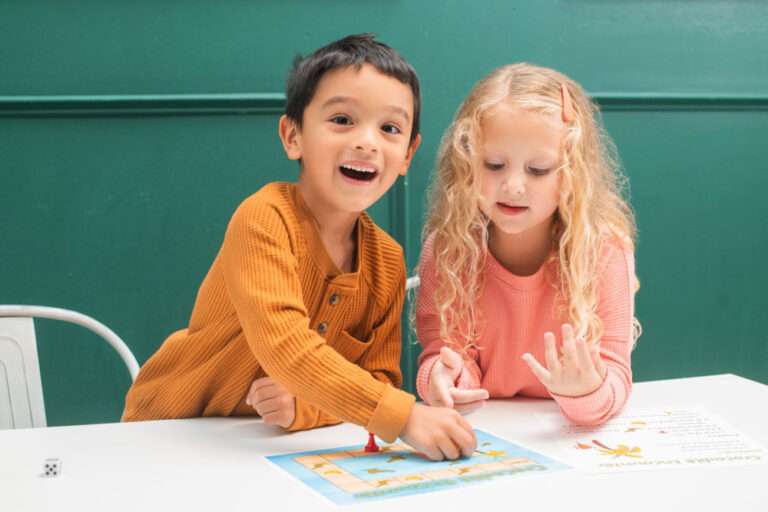
And joy plays a huge role. Kids who experience math as creative, playful, and thoughtful learning are far more likely to see themselves as capable mathematicians for life. That confidence matters. It shapes the classes they take. It shapes the careers they consider. It shapes the way they approach challenges everywhere. So, when schools invest in a foundational numeracy K–2 program, they aren’t just improving test scores; they’re shaping how children see themselves as mathematicians for years to come.
“Early math shouldn’t break confidence. It should build identity, curiosity, and deep understanding.”
Families and schools often look for “kindergarten math worksheets” because they want rigor, practice, and preparation — and that instinct comes from care and high expectations. But rigor in the early grades isn’t about more paper tasks. True rigor is thinking, reasoning, modeling, and communicating. Classrooms built on discussion, visual models, hands-on learning, and meaningful problem solving create the kind of mathematical foundation students need for long-term success — and the confidence to stay in advanced math pathways later.
This Is How We Close Early Math Achievement Gaps
We want children to experience productive struggle in K–2 math, where challenge leads to thinking, reasoning, and growth — not tears, speed drills, or shame. Progressions by Alba Math was designed as a foundational numeracy K–2 program that fosters deep understanding, joyful engagement, and future-ready thinking. Not “more worksheets.” More meaning. Not “faster.” Stronger. The difference shows up years later — when students face tougher math and don’t panic. They think. They reason. They persevere. And they succeed.
Together, We Can Build Stronger Math Futures
If you want to dig deeper into the research and see why early math foundations matter so much — even for already high-achieving students — download our short, family- and educator-friendly guide below. Clear, family-friendly K–2 math communication helps everyone understand not just what students are learning, but why it matters so much. This guide breaks down the why, the how, and the powerful long-term impact of getting math right from the very beginning.
FAQs:
1. Is early math really a stronger predictor of later success than reading?
Several large studies have found that early math understanding predicts later overall academic achievement more strongly than early reading or behavior ratings. That means getting K–2 math right pays off across many subjects, not just in math class. https://www.naeyc.org/our-work/families/things-know-about-math
2. Why do you emphasize manipulatives, games, and discussion so much?
Young children learn math best when they can touch, see, and talk about ideas, then gradually connect those experiences to symbols. Games and conversations also build perseverance, flexibility, and reasoning in ways that carry into later grades.
3. What makes a foundational numeracy program different from a typical K–2 math curriculum?
Foundational numeracy programs prioritize number sense, reasoning, and big mathematical ideas, not just coverage of many disconnected skills. They build coherent progressions, frequent discussion, and tasks that support both struggling and high‑achieving students in the same classroom.
4. How does a program like Progressions by Alba Math help close early achievement gaps?
By emphasizing deep understanding, visual models, and productive struggle, such programs give all students access to rich math, not just fast finishers. Starting in K–2 allows gaps in number sense and reasoning to be addressed before they harden into long‑term achievement differences.